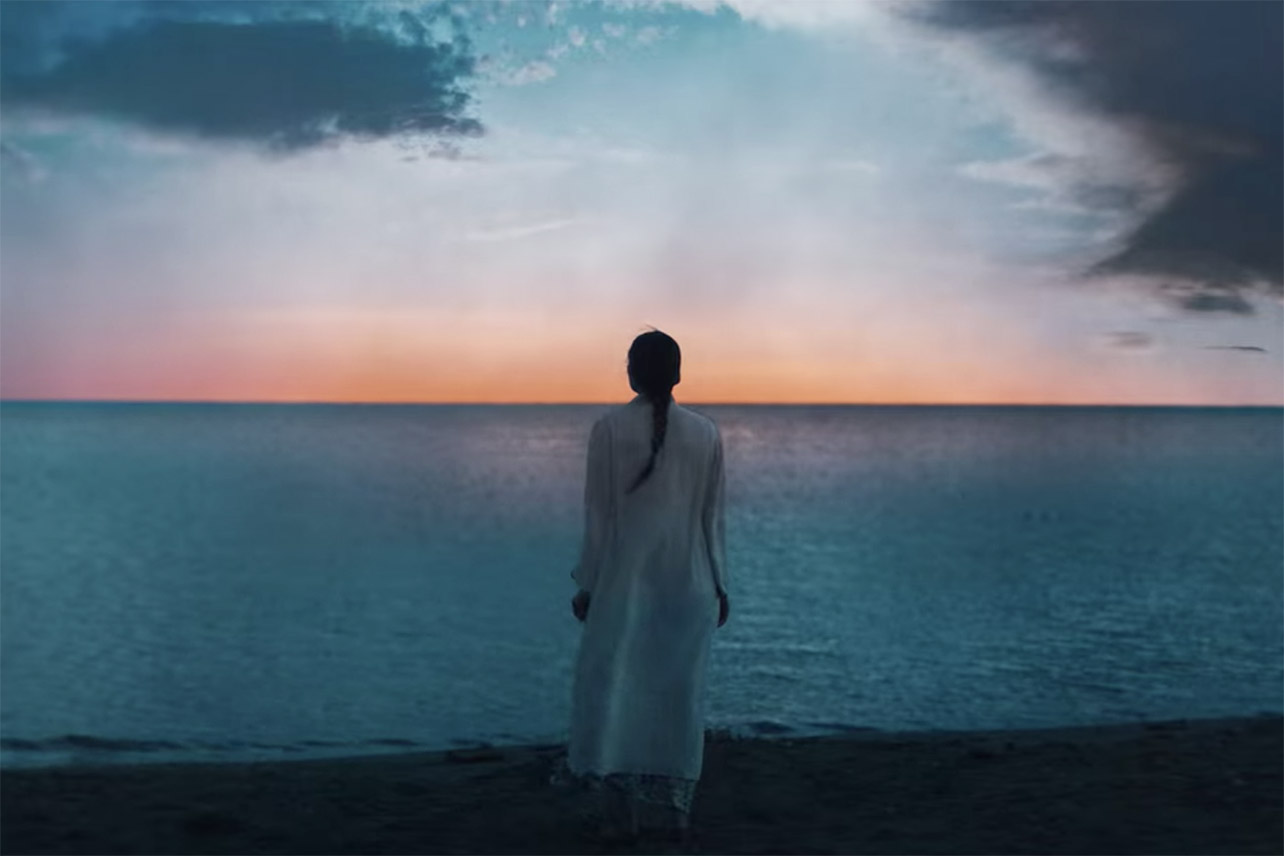
Sunday, December 12, 2021

3 Advent


 Gaudete

 December 12, 2021


Zephaniah 3.14-20; Philippians 4.4-7; Luke 3.7-18


+ In the name of God, Creator+ Redeemer and Sanctifier. Amen.

 You know what day it is…

 It’s one of those rose Sundays of the Church year.

 And you all  know: I love the rose Sundays.

 And I really LOVE Gaudete Sunday!

 Today, of course, we light our pink candle on the Advent wreath

 We bedeck the church—and your priest and deacon—in rosy pink.

 It’s so called because in our reading from Paul’s letter to the Philippians, we hear this:

  “Rejoice in the Lord always; I will say rejoice”

 That word, “Rejoice,” in Latin is Gaudete.

 As we draw closer and closer to Jesus’ birth, we find ourselves with that strange, wonderful emotion in our hearts—joy.

 It is a time to rejoice.

 It is a time to be anxious and excited over the fact that, in just a few weeks time, that Messiah, God’s chosen One, will come to us.

 “Rejoice” is our word for the day today.

 We are joyful because, as Paul says today, “the Lord is near”


Or, in Latin (since we’re on kind of a Latin kick this Gaudete Sunday) Dominus propus est.


Now that scripture that we just hear from Paul in his letter to the Philippians is just chock full of Gaudete goodness.


Doesn’t that sound like a great vegan candy bar – Gaudete Goodness?  


Every line of that reading is filled with joy and hope.


“Do not worry about anything, but in everything by prayer and supplication let your request be made known to God.”


When I was teenager, my mother gave me as a present a leather scroll with this scripture from Philippians chapter 4 written on it.


Now, not a lot of people know this about me, but I was a worry wart as a kid—a fact that, in turn, worried by mother tremendously.


I have shared with some of you how even as an 8 year old, I had terrible stomach ulcers.


Well, that’s what worrying does to people, even 8 year olds.  


Actually, I think, it wasn’t so much the worrying that was the issue.


It was the anxiety, which is all bound up in that whole sense of worrying.


And anxiety, as I have shared with many of you, is still an issue in my life.


Any of you who served with me as a Warden know firsthand the strange world of Fr. Jamie’s Anxiety.


So, back then, my mother chose this scroll specifically for me.


Do not worry, that scroll reminded me over and over again.


I still have that scroll on my wall.


And every time I read the scroll, and as I pondered it again for today, I realize how powerful this scripture really is:


Do not worry about anything.


But pray.


And if we do, if we release all our anxieties to God, God will reward us with a peace beyond all understanding.


Now that sounds very easy.


That sounds wonderful.


But let me tell you; it’s a harder than you think.


A LOT harder than it seems.


To live into that sense of trust of God takes hard, hard work.


And it takes a lot of hard personal work to get beyond one’s own anxiety and worry.


But we can do it.


The problem with most of us however is that we hear this scripture so much that we forget it’s real meaning.


But it IS powerful.


And important.


And if we truly take it to heart, if we truly live it out, we realize it captures incredibly the spirit of this Sunday.


Don’t worry.


God is in control.


God is here, with us.


All will be well.


Or as Blessed Julian of Norwich tells us again and again,


“All will be well and all will be well and all manner of things will be well.”


Now, of course, we love Advent.


Everybody seems to love Advent.


But, today, we get something just a bit different.


Advent is a time for us to slow down, to ponder, to think.


And… to wait.


It is a time to be introspective, as well—to think about who are and where we are in our lives.


So, in the midst of pondering and waiting and introspection, we also find ourselves looking forward.


Now, for some of us, that doesn’t seem all that exciting.


The future can be a scary place.


And what it holds may not be some wonderfully hopeful thing.


Many people have a real fear of the future.


Yesterday, my dear friend Leslie Rorabeck was ordained to the Priesthood at St. Andrew’s-on-the-Sound Episcopal Church in Wilmington, NC.


And this morning she is celebrating her first Mass.


I was supposed to be there as a presenter, but of course I’m grounded due to my perforated lung (thanks, Covid).


But 20 or so years ago, when I was enduring a very difficult time in my life, when I had just been laid off from a job and was about diagnosed with cancer, Leslie was there for me.


And one thing we often did as we ate lunch together at the Plains Art Museum (remember the great cafeteria they had back in the day?)  or at the Radisson,  was look forward.  


I was not yet ordained, and when I was sick there were many moments when I was not sure I would be a priest.


But Leslie and I would talk hopefully about the future even despite the present ugliness of life, and look forward to the days when those current issues would be behind us.


I looked forward in those days to being a priest.


And Leslie too often talked about one day becoming a priest.


At the time she had two small girls (she would later have a son too) and the priesthood for her seemed like some very distant mirage.


She too would endure some very difficult situations in the years to come.


But here we are, 20 years later, being the priests we imagined ourselves being way back in those seemingly endlessly dark days.


That is how God works in our lives sometimes.


It is important to remember that, as followers of Jesus, that in doing such introspection, in looking forward, we do not despair.


We do not lose heart.


To go back to what Paul says to us today in our Epistle reading:


“Do not worry about anything…”


And in that incredible reading we hear this morning from the Hebrew scriptures, we hear so many truly wonderful and hopeful things from the prophet Zephaniah.


“Do not fear, O Zion [we are Zion];

Do not let your hands grow weak.”


Why should we not fear?


Because, according the prophet, God is in our midst.


God is with us.


And God “will rejoice over you with gladness,

[God] will renew you with [God’s] love.”


But God is even clearer in this reading about how well cared for we are by God.


God exults over us “with loud singing.”


God will “remove every disaster” from us, so that we will not bear reproach.


God will deal with all our oppressors, and the lame will saved and the outcast gathered in.


God will change whatever shame we have to praise


These words of God are being spoken to each of us today:


God says, “I will bring you home at the time when I gather you:

for I will make you renowned and praised

among all the peoples of the earth

when I restore your fortunes

before your eyes, says the Lord. “


Those words are being spoken to us this morning, by the God who loves us and cares for us.


We are well taken care of by our God.


And if that doesn’t give you a true reason to rejoice today, I hate to say it: nothing will.


So, rejoice today.


God loves you.


God cares for you.


God exults in you with loud singing and rejoices over you with gladness.


This is why we rejoice today.


See, the  future is nothing to fear.


Our future in God is a future of joy.


Joy in the simple fact that God really does love us and delights in us and rejoices as well in us.  


That real and beautiful joy is why we are decorated in rose this morning.


That is why, in our pondering, we are pondering joy—even joy in the midst of sadness or loneliness or depression, or pandemics.


That is why, even despite all that happened in our lives, all that is happening at the moment and that will happen, we can still rejoice.


Gaudete.


So, do not fear but do good in this world, even if you’re depressed or lonely or sad or not feeling well.


Do good in this world even if you have a perforated lung.


Do good even if the world does not, at times, do good to us.


Do good always.


Because in doing good, we are doing what God wants us to do in this world. 


In doing good, we embody true joy.


This is what Gaudete Sunday is all about—rejoicing.


Living in joy.


Letting joy reign supreme in us.


Letting joy win out over fear and uncertainty.


Being joyful in our love for God and for others.


We—followers and disciples of Jesus—bear good fruit when we are joyful in our God.


How can’t we?


That joy that we carry within us fertilizes the good things we do.


It motivates us.


It compels us.


It gives us purpose and meaning in our lives.


We, as Christians, must embody that joy.


We must live that joy in all we do and say and are.


Today, we must, in all honesty, proclaim:


“Gaudete!”


Rejoice.


And live that Gaudete out in our very existence, in the ministries we do, in how we deal with others.


So, let Gaudete be more than just what we say or do one Sunday a year.


Let it be our way of life as we await the Messiah’s presence coming to us.


St. John and St. Paul are both right:


The Lord is near!


The Lord is near.


God has sent the Messiah to us to redeem us.


 So…let us do good.


And when we do we will truly know that “peace of God which surpasses all understanding….”


We too, as embodied joy, will be bearing good fruits.


Let us pray.


Holy God of promise, God of expectation and longing, we look forward with expectation to your coming among us. We look forward to your presence in our midst. Help us in our loving. Help us as we anxiously await you so that we do not fall victim to anxiety and worry.  Remind us again and again in our lives that we ultimately have nothing to fear or to worry about for you are in control and your goodness, in the end, is always triumphant. Help us as we joyously  wait, and reward us well for our loving; in Jesus’ Name we pray.


Sunday, November 28, 2021

1 Advent


November 28, 2021


Luke 21.25-36

+ So, recently I have had several people ask me about a recent series on Netflix called Midnight Mass.


It’s an interesting series—not one that I recommend to everyone.


If you like vampires, then I would recommend it.


But it’s a series that deals with a lot more than just vampires.


There’s whole lot going on in it.


Essentially the story is this:


There’s a Catholic Church on a small island off the coast of what may possibly be New England (though it was actually filmed off the coast of British Columbia).


A mysterious young priest comes to the church, and soon there are miracles being performed.


But also there are strange incidents of another sort.


Hundreds of dead cats wash up on the shore.


Well, as the series goes on, it becomes clear that the priest is actually some kind of vampire.


And that he is actually the old priest who had served the parish for decades, but who, while in the Holy Land, got bit by this demon-like vampire and became young again.


Are you still with me?


Anyway, he comes back and soon promises everyone in the village eternal life.


He does this as he presents the demon to them.


The demon by the way is wearing a chasuble.


Most of the people enthusiastically choose this supposed “eternal life” the priest offers.


But to have it they must drink from a chalice, which if full or rat poison.  


This causes them to die—briefly—but when they “resurrect” they are vampires who then feast on those who choose not to drink from the chalice.


While this is all going on, a few of the survivors go around the island and set fire to all the buildings and cut ropes to the boats, essentially trapping the vampires on the island.


Spoiler alert here.


The sun begins coming up, and the vampires all realize they have been trapped with nowhere to hide from the sun, which if course will kill them.


When they realize that there is nowhere to go to hide from this light, they suddenly start realizing what they have done.


They begin apologizing to each other.


They realize the choice they made was a wrong one.


They realize that they have, in their blood hunger, killed their own loved ones.


They despair over their choice of darkness.


And they know that they haven’t chosen immortality at all.


They have chosen eternal death.


And so, as they await in in a very literal hell, with flames of fire burning behind them with nowhere to go, they turn toward the horizon and wait.


As the sun starts rising, they stand around on the shore looking toward the dawning light, while singing “Near My God to Thee,” which is then cut off abruptly in mid-verse as the sun rises into the sky and the vampires all burn into ashes.


The end.


It’s a very bleak series.


It deals with faith and doubt and atheism and bad Christians.


The director Mike Flanagan actually wrote the series as a way to deal with his own upbringing as a Catholic and his later atheism.


But…


And here’s my take on it…


I think it also deal with the our society as it is right now.


People who purposely choose the darkness, clothed as Christianity, even when a demon in a chasuble stands before them.


They drink from the cup of the perverse, false, bastardized version of Christianity, and for a moment, feel powerful.


They have, for a moment, what they have been promised.


But it’s an empty promise.


In the dark it seems good,


But with the light, it is seen for what it is—darkness and evil.


And the exactly opposite of true Christianity.


Now, I take it one step further—being the priest I am.


The sun, for me, as a Christian, represents God and God's Light.


As a Christian I see that most uniquely in Christ, in God and creation coming together.


But, seen through the eyes of the Muslim sheriff and his son, who seen making their prostrations on the beach as the sun comes up, it is the Light of Allah.


It is the Light of God.


It is the Light of Divinity.


It is the Light of all that is good and true and beautiful.


It is this divine Light that shines on them in their vulnerability.


And they cannot escape this true Light.


And, although their darkness, their evil choice is destroyed in the process, they themselves are redeemed by the Light.


And to me, what seems like a bleak and horrible ending is actually one that is redemptive and weirdly glorious.


It is a microcosm of the paradox of Christianity.


And it is a microcosm of the choice so many of our fellow Christians have made in our recent history.


To me, even though this series takes place over Lent and Easter (appropriately enough), it also speaks loudly to us on this first Sunday of Advent.


Because Advent is all about that waiting.


It is all about that looking into the dark.


It is all about living in the dark.


It is about sometimes choosing the dark.


But realizing, as we do, that the Light is about dawn into our lives.


And that light will burn away not only the darkness of the world, but also the very darkness of our hearts and souls.


And that burning is, we know, oftentimes painful and brutal.


But ultimately it is purifying and redemptive.


In Advent, we recognize that darkness we all collectively live in without God.


But we realize that darkness doesn’t hold sway.


Darkness is easily done away with what?


With light!


And so, in Advent, we are anticipating something more—we are all looking forward into the gloom.


And what do we see there? We see the first flickers of light.


And even with those first, faint glimmers of light, darkness already starts losing its strength.


We see the first glow of what awaits us—there, just ahead of us.


That light that is about to burst into our lives is, of course, for us God’s divine Light.


The Light that came to us—that is coming to us—is the sign that the Kingdom of God is drawing near, as Jesus says in today’s Gospel.


It is near.


Yes, we are, at times, stuck in the doom and gloom of this life.


Yes, sometimes we have actually chosen the darkness and gloom over the Light and Beauty of our faith.    


But, we can take comfort today in one thing: as frightening as our life may be, as terrible as life may seem some times and as uncertain as our future may be, what Advent shows us more than anything is this: we already know the end of the story.


We might not know what awaits us tomorrow or next week.


We might not know what setbacks or rewards will come to us in the weeks to come, but in the long run, we know how our story as followers of Jesus ends.


Jesus has told us that we might not know when it will happen, but the end will be a good ending for those of us who hope and expect it.


God has promised that, in the end, there will be joy and happiness and peace.


In this time of anticipation—in this time in which we are waiting and watching—we can take hope.


To watch means more than just to look around us.


It means to be attentive.


It means, we must pay attention.


It means waiting, with held breath, for that redemptive Light of God to break upon us.


So, yes, Advent is a time of waiting and it is this waiting—this expectant anticipation—that is so very important in our spiritual lives.


Advent is a time of hope and longing.


It is a time for us to wake up from our slumbering complacency.


It is a time to turn from the darkness.


It is a time to wake up and to watch.


The Light of God is close at hand.


And we should rejoice in that fact.


We, like those people in Midnight Mass, should be standing here, awaiting that Light.


Or as we hear Jesus tell us in today’s Gospel,


“Now when these things begin to take place, stand up and raise your heads, because your redemption is drawing near.”


We must stand up and raise our heads, even if we know what the reality of  that Light is.


Even if we know what the Light will do to us who sometimes live in darkness.  


It is near.


The Light of Christ is so close to breaking through to us that we can almost feel it ready to shatter into our lives.


So, in this anticipation, let us be prepared.


Let us watch.


Christ has come to us and is leading us forward.


This dazzling Light of God is burning away the fog of our tears and hunger and


violence and is showing us a way through the darkness that sometimes seems to encroach upon us.


This is the true message of Advent.


As hectic as this season is going to get, as you’re feeling overwhelmed by all the sensory overload we’ll all be experiencing through this season, remember, Watch.


Take time, be silent and just watch.


For this anticipation—this expectant and patient watching of ours—is merely a pathway on which the Divine Light can come among us as one of us.


This morning, instead of a final prayer I’m going to do something else.


Last Wednesday evening at our Thanksgiving Eve Mass Deacon John opened and closed his sermon with a hymn.


It was so beautiful!


Well, in honor of the series Midnight Mass, we too are going to close my sermon today with a hymn.


As we stand here, waiting either joyously or apprehensively for God's Light to dawn,  let us also sing, “Nearer My God to Thee.”


Nearer, my God, to thee, nearer to thee!
E'en though it be a cross that raiseth me,
still all my song shall be,
nearer, my God, to thee;
nearer, my God, to thee, nearer to thee!

2 Though like the wanderer, the sun gone down,
darkness be over me, my rest a stone;
yet in my dreams I'd be
nearer, my God, to thee;
nearer, my God, to thee, nearer to thee!

3 There let the way appear, steps unto heaven;
all that thou sendest me, in mercy given;
angels to beckon me
nearer, my God, to thee;
nearer, my God, to thee, nearer to thee!

4 Then, with my waking thoughts bright with thy praise,
out of my stony griefs Bethel I'll raise;
so by my woes to be
nearer, my God, to thee;
nearer, my God, to thee, nearer to thee!

5 Or if, on joyful wing cleaving the sky,
sun, moon, and stars forgot, upward I fly,
still all my song shall be,
nearer, my God, to thee;
nearer, my God, to thee, nearer to thee!


11 Pentecost

  August 9, 2026   Matthew 14:22-33   + So, this story of Jesus and the storm is one that really, I think, captures our imaginations in ...